

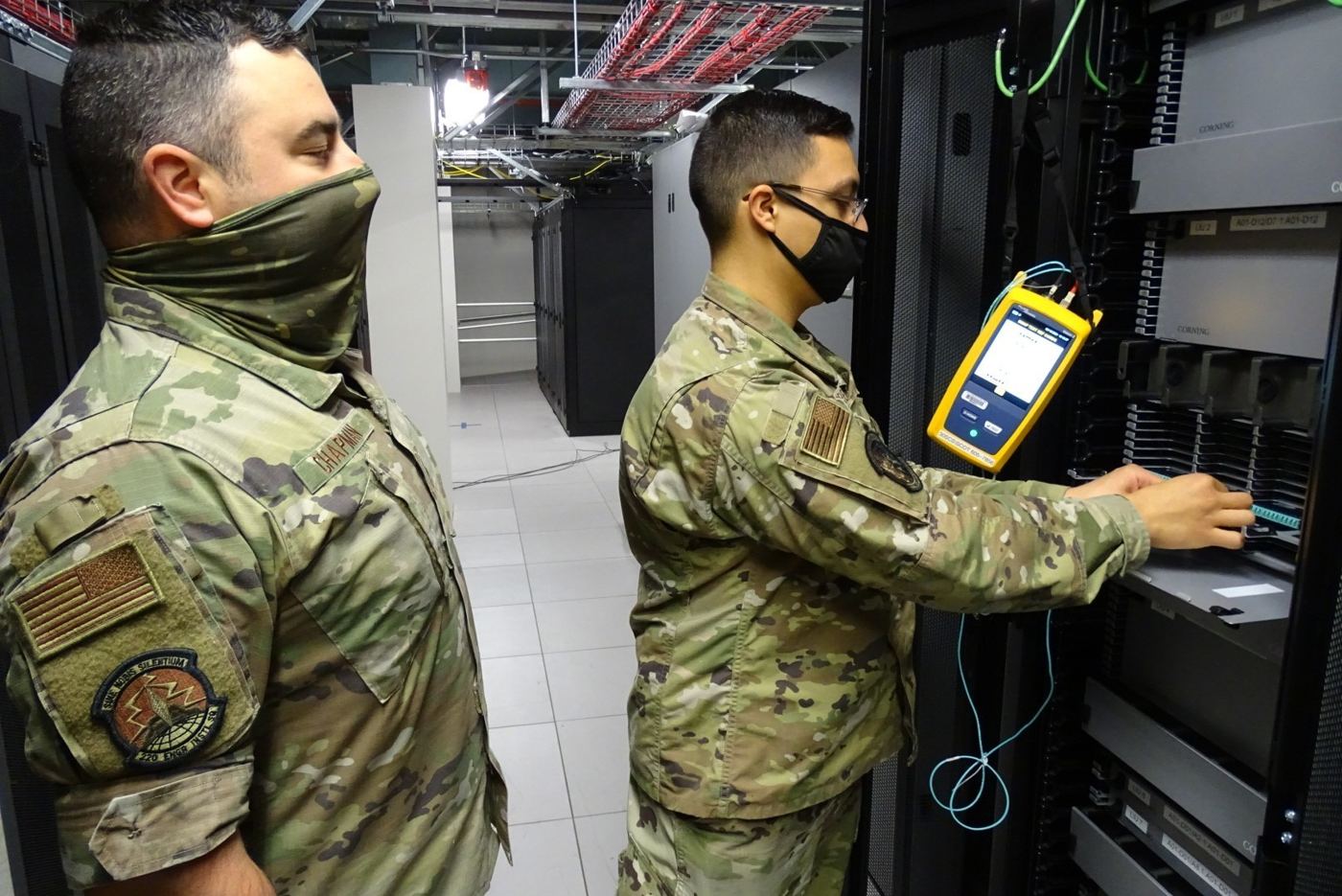
Most intercontinental internet traffic travels not by satellite but through fibre optic cables lying on or beneath the seabed, and when one is damaged by an anchor, fishing gear or an underwater landslide, repair is a specialised operation at sea. Cable ships must locate the fault, haul the line up from deep water, splice in a new section inside a controlled onboard workspace and lower it back without creating a new weakness. Engineers practise those steps because a real repair leaves little room for improvisation, with weather, currents and the exact position of the break all affecting the work. While a cable is out of service, traffic is usually rerouted, although capacity can tighten and some connections may slow noticeably for users in affected regions. Training voyages and dockside simulations let new crew members learn the splicing process before facing a genuine break in bad weather, where a mistake could add days to a repair that customers and governments are watching closely from shore.
What the Evidence Shows
Governments and network operators are paying more attention to this hidden infrastructure, mapping cable routes, diversifying landing points and discussing how repairs should be prioritised after major incidents. The cables themselves are surprisingly slender for the volume of communication they carry, which makes redundancy across several routes essential rather than optional. Technicians who do the splicing work in conditions closer to a laboratory than a traditional ship deck, keeping fibres clean and precisely aligned. Their work is rarely noticed when it succeeds, which is rather the point. Every video call, payment and news page that crosses an ocean depends on physical lines, specialised ships and crews prepared to fix them in difficult conditions. New cables are also being laid with extra capacity and alternative routes, an expensive insurance policy that reflects how completely modern economies now assume instant communication between continents, even though that assumption rests on lines lying unseen on the ocean floor. Reporting and analysis from sources such as Wired track the same developments, and specialists following undersea cable repair say the direction is now consistent across independent lines of evidence.
The Wider Context
The wider context is an industry learning to ship capability and restraint together. Products built around undersea cable repair now launch with safety evaluations, usage data and rollback plans as standard, because enterprise buyers and regulators ask for them in the first meeting. Companies that treated those questions as friction are discovering they have become the purchase criteria.
What Happens Next
What happens next for undersea cable repair depends less on another breakthrough than on the unglamorous work of reliability, pricing and support. The buyers evaluating it now are not enthusiasts; they are operators with budgets and auditors, and their checklists will decide the timeline. On the evidence of the current pilots, the technology has earned the right to be judged by them. You can follow related developments in our coverage of technology.
None of this will be settled by a single announcement, study or product launch. The pattern to watch is accumulation: independent confirmations, honest reporting of failures and steady improvement in the underlying numbers. Readers who follow those signals, rather than the loudest claim of the week, will understand this subject better than most of the commentary surrounding it suggests is possible.
