

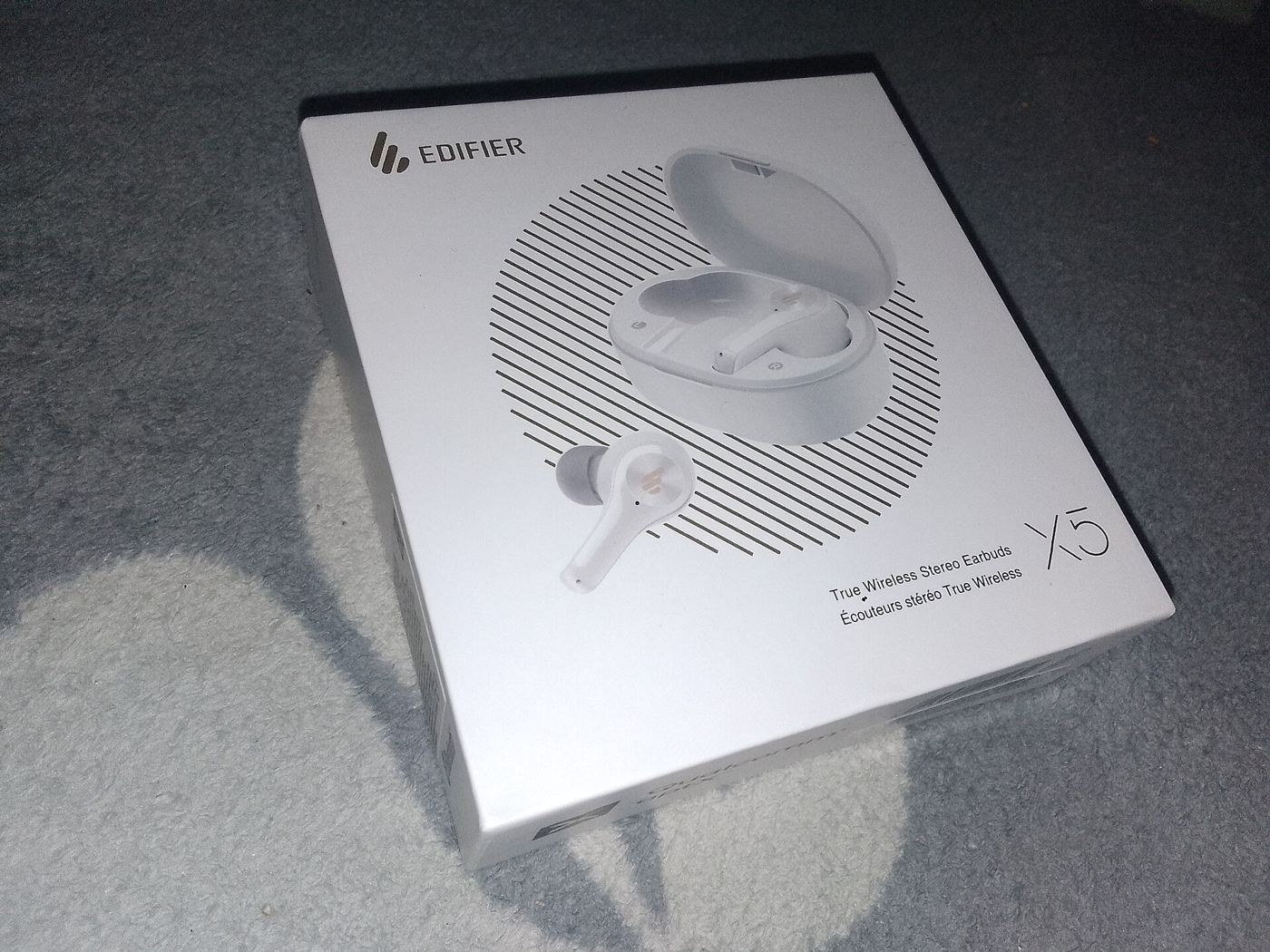
Wireless earbuds are adding heart-rate tracking to their list of talents, using tiny optical sensors pressed against the inner ear to measure pulse while runners and cyclists train. The ear turns out to be an excellent place for such measurements: blood flow is strong, the skin contact is stable and the buds are already held firmly in place during movement. Engineers say ear-based readings can rival chest straps for steadiness, without the discomfort many athletes dislike, and they outperform wrist watches that bounce and lose contact during vigorous exercise. The data flows into the same training apps athletes already use, informing pace guidance, recovery estimates and warnings when effort drifts higher than planned. Because the earbuds also carry microphones and motion sensors, manufacturers are exploring combined measures such as stride rhythm and head stability. All of this must happen without shrinking battery life, since a tracker that dies mid-run helps nobody. Early models target committed amateur athletes rather than casual listeners, with prices reflecting the additional sensors. For the growing number of people who train with music or coaching in their ears, consolidating two devices into one is an easy sell.
What the Evidence Shows
Testing the heart-rate earbuds against medical-grade equipment has been essential to their credibility. Reviewers and sports scientists compare readings across intervals, hill sessions and cold mornings, when blood vessels narrow and optical sensors traditionally struggle. Results have improved markedly as algorithms learned to filter the jolt of each footstrike from the genuine pulse signal. Coaches see value beyond raw numbers: continuous heart data paired with location and pace reveals how an athlete responds to heat, altitude, illness and accumulated fatigue. Health researchers are equally interested, because millions of earbuds collecting voluntary, anonymised data could illuminate population fitness trends, though such uses demand clear consent and strong privacy safeguards. Manufacturers must also resist overstating medical capability, since a training aid is not a diagnostic device and irregular readings should prompt proper clinical checks. Designers are now tackling fit, the unglamorous foundation of accuracy, offering more tip sizes and stabilising fins so sensors stay positioned across different ear shapes. As the technology matures, the distinction between headphones and sports instruments is dissolving, and the humble earbud is becoming the most discreet fitness laboratory most athletes will ever own. Reporting and analysis from sources such as Wired track the same developments, and specialists following the heart-rate earbuds say the direction is now consistent across independent lines of evidence.
The Wider Context
The wider context is an industry learning to ship capability and restraint together. Products built around the heart-rate earbuds now launch with safety evaluations, usage data and rollback plans as standard, because enterprise buyers and regulators ask for them in the first meeting. Companies that treated those questions as friction are discovering they have become the purchase criteria.
What Happens Next
What happens next for the heart-rate earbuds depends less on another breakthrough than on the unglamorous work of reliability, pricing and support. The buyers evaluating it now are not enthusiasts; they are operators with budgets and auditors, and their checklists will decide the timeline. On the evidence of the current pilots, the technology has earned the right to be judged by them. You can follow related developments in our coverage of technology.
None of this will be settled by a single announcement, study or product launch. The pattern to watch is accumulation: independent confirmations, honest reporting of failures and steady improvement in the underlying numbers. Readers who follow those signals, rather than the loudest claim of the week, will understand this subject better than most of the commentary surrounding it suggests is possible.
