

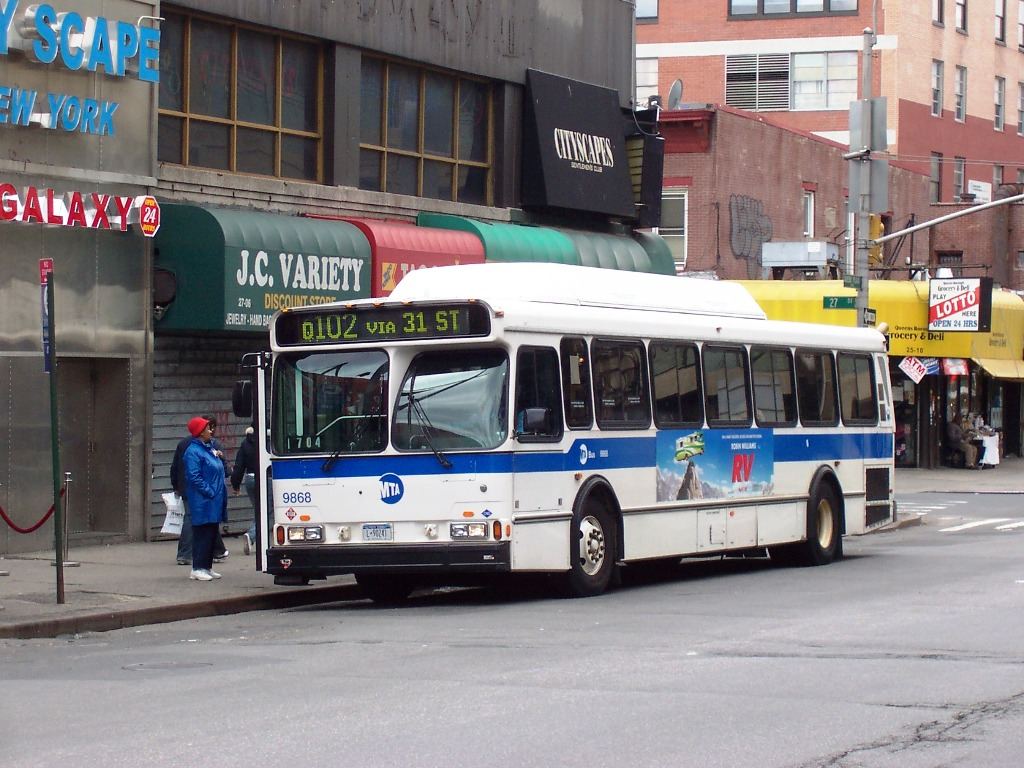
Bus passengers can now see how crowded their next service is likely to be before it reaches the stop, thanks to live information drawn from ticket machines and on-board counters. The alerts appear in travel apps and on newer stop displays, using simple symbols to show whether seats are likely to be free or whether standing room only is expected. Transport staff say the aim is not to put people off travelling, but to help them choose between waiting a few minutes for a quieter bus or boarding straight away. The change is expected to help passengers who travel with luggage, mobility aids or young children, for whom a packed bus can mean missing the trip altogether. Early feedback from commuters has been positive, with many saying predictability matters almost as much as speed on busy weekday mornings. Operators stress the figures are estimates that can change between stops. The information is also shown for the following service, so passengers can judge whether waiting is worthwhile.
What the Evidence Shows
Data teams say the system improves through the day as counting equipment corrects itself at termini and depots. Specialists following real-time bus crowding alerts say privacy is protected because the system records numbers, not identities, and no images are stored. Passenger groups have asked for the same information to be announced at major interchanges for travellers without smartphones. Operators also plan to use the crowding patterns when reviewing timetables, adding capacity where services are regularly full rather than relying only on complaints. A formal review of accuracy and passenger response is expected later this year. Drivers say calmer boarding is an early benefit, because passengers who choose to wait spread themselves along the route instead of crowding onto the first vehicle that arrives. The operators have promised to keep the symbols simple and consistent across every app and display, after complaints that earlier information systems used conflicting colours and wording that confused occasional travellers. Reporting and analysis from sources such as Associated Press track the same developments, and specialists following real-time bus crowding alerts say the direction is now consistent across independent lines of evidence.
The Wider Context
Regional and local reporting on real-time bus crowding alerts often tells a different story from national coverage, because the effects land unevenly: one town’s pilot is another’s distant proposal. Analysts who follow the subject full-time read the local data first, arguing that national averages conceal the variation that decides whether a policy or a project deserves to spread.
What Happens Next
The longer story of real-time bus crowding alerts is still being written by the people closest to it, whose experience rarely matches the earliest predictions of either supporters or critics. Reporting will continue to follow the evidence as it accumulates, including where it complicates today’s account. That is the deal serious coverage makes with its readers, and it holds for this subject as for any other. You can follow related developments in our coverage of news.
It is also worth remembering how quickly the picture in this area has changed before. Positions that looked settled a few years ago have been revised as new data arrived, and the same humility is appropriate now. The strongest coverage of this subject, and the most useful advice, tends to come from sources that update their views openly when the facts move, rather than defending an earlier position long after it has stopped fitting the evidence available.
