

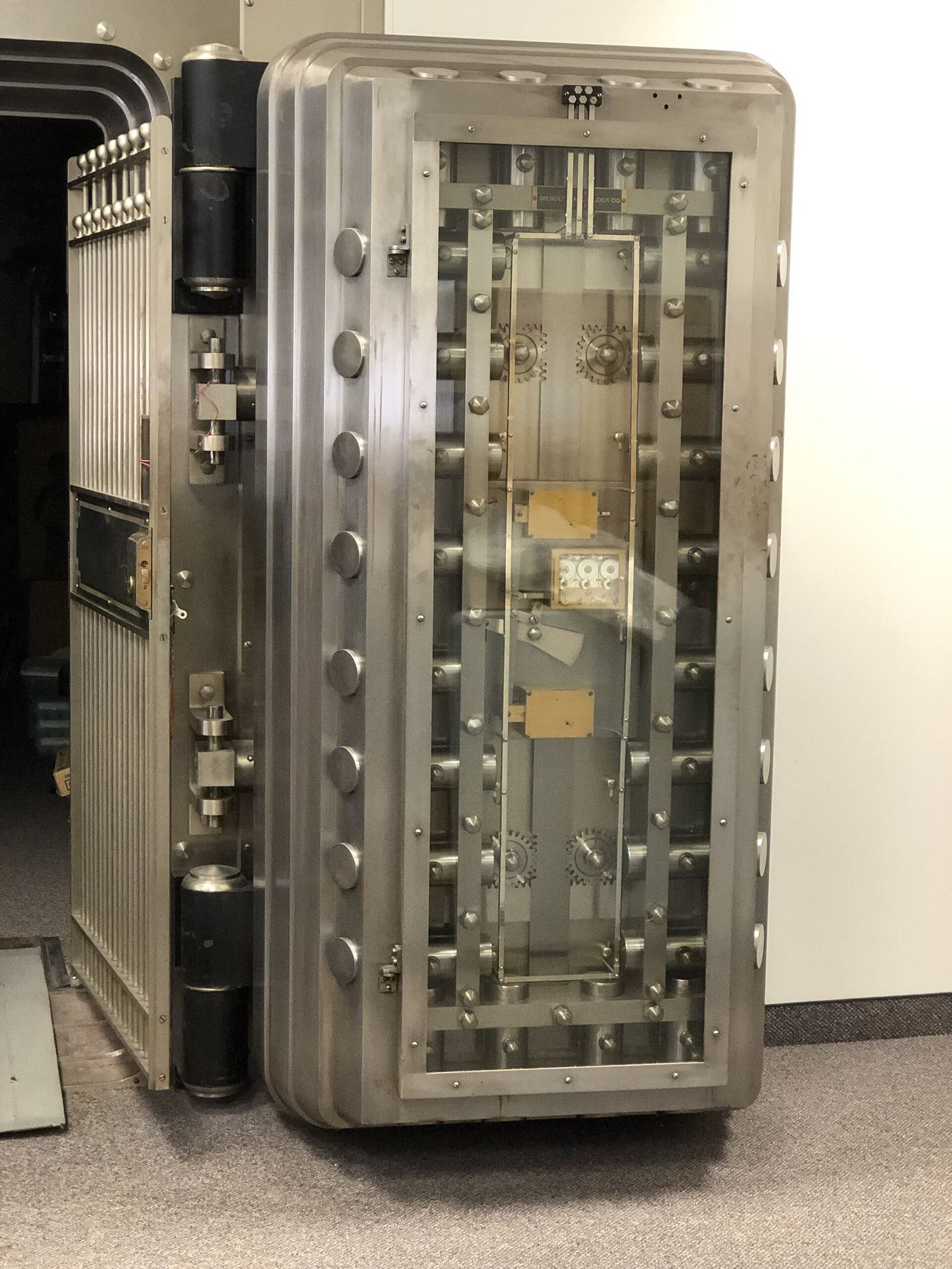
Sales of hardware wallets are climbing as cryptocurrency holders look for safer ways to store their assets away from the reach of hackers. A hardware wallet is a small physical device that keeps the private keys controlling digital coins offline, so funds cannot be moved by anyone who gains access to a computer or phone alone. The appeal has grown after a series of exchange collapses and thefts reminded holders that assets left on trading platforms are only as safe as the company holding them. Manufacturers report that first-time buyers now make up a large share of sales, including people who bought crypto years ago and only recently decided to take custody themselves. The devices have also become easier to use, with clearer screens, guided setup and companion apps that handle everyday transactions while the keys stay offline. Security experts say the shift reflects a maturing market, where protecting what you own matters as much as choosing what to buy.
What the Evidence Shows
Using a hardware wallet still requires care, and experts stress that the device itself is only part of the security. During setup, owners are given a recovery phrase, a list of words that can restore the wallet if the device is lost or broken, and that phrase must be written down and stored somewhere safe, never photographed or typed into a website. Scammers have targeted new users with fake setup guides and lookalike devices, so buyers are urged to purchase only from official sources. Prices have fallen as competition grows, bringing basic models within reach of small holders. Manufacturers are also adding support for more coins and for features such as staking, which lets holders earn rewards without moving keys online. For many users, the small effort of learning the device is a fair price for knowing their savings cannot be drained by a single phishing email. Reporting and analysis from sources such as CoinDesk track the same developments, and specialists following hardware wallet security say the direction is now consistent across independent lines of evidence.
The Wider Context
Market structure around hardware wallet security has matured in measurable ways: deeper liquidity, professional custody and surveillance-sharing agreements that exchanges once resisted. None of that removes volatility, and regulators repeat that message in every publication. What it changes is the kind of failure investors face, from disappearing venues toward ordinary, legible market risk.
What Happens Next
The outlook for hardware wallet security is best stated in scenarios rather than predictions, because this market still moves on sentiment as much as on fundamentals. The structural trends, institutional participation, regulated products and better consumer protection, point one way; the price charts will continue to point in several directions at once. Separating those two statements is the beginning of competence here. You can follow related developments in our coverage of crypto.
It is also worth remembering how quickly the picture in this area has changed before. Positions that looked settled a few years ago have been revised as new data arrived, and the same humility is appropriate now. The strongest coverage of this subject, and the most useful advice, tends to come from sources that update their views openly when the facts move, rather than defending an earlier position long after it has stopped fitting the evidence available.
