

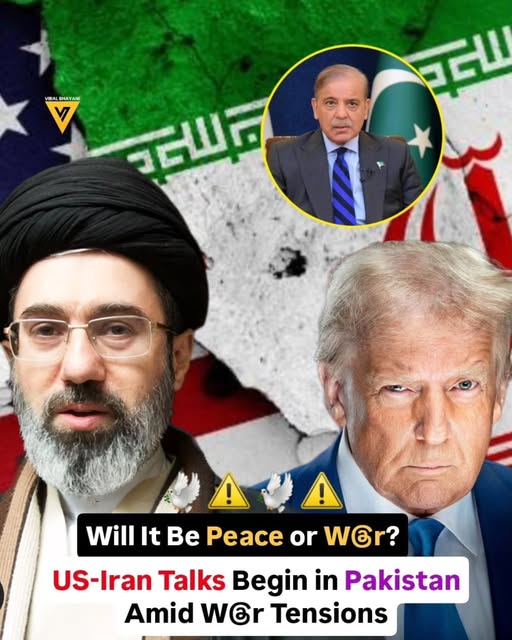
Global tensions are rising again, and the world is becoming more uncertain with each passing day. From political disagreements between major powers to economic instability and regional conflicts, international relations are entering a sensitive phase. While news headlines often show only surface-level events, the real situation behind the scenes is far more complex. Understanding these global tensions is important because they can affect economies, trade, security, and even daily life across different countries. This article breaks down what is really happening in simple terms so you can clearly understand the bigger global picture.
Rising Geopolitical Tensions Across the World
Increasing Rivalries Between Major Powers
One of the biggest reasons behind rising global tensions is the growing rivalry between major world powers. Countries are competing for influence in trade, technology, defense, and global decision-making. These rivalries are not always direct conflicts but often appear as political disagreements, sanctions, or diplomatic pressure. This competition is shaping international relations and creating uncertainty in global markets. As nations try to protect their interests, cooperation becomes more difficult, increasing the risk of misunderstandings and instability.
Regional Conflicts Creating Global Pressure
Regional conflicts in different parts of the world are also contributing to global instability. When conflicts escalate in one region, they often affect energy supply, trade routes, and international security. Neighboring countries may also become involved indirectly, making the situation more complex. These conflicts increase pressure on global organizations that try to maintain peace. As a result, even localized issues can have worldwide consequences, showing how connected today’s world truly is.
Breakdown in Diplomatic Communication
Diplomatic communication between nations plays a key role in maintaining peace, but in recent times, communication channels have become weaker. Some countries are reducing engagement, while others are taking a more aggressive diplomatic stance. This lack of proper communication increases misunderstandings and reduces trust. Without strong diplomatic dialogue, small issues can quickly escalate into larger conflicts, adding to global instability and uncertainty in international relations.
Economic Pressures and Global Power Struggles
Inflation and Global Market Instability
Economic pressure is another major factor behind rising global tensions. Many countries are dealing with inflation, rising costs, and unstable financial markets. These economic challenges often lead governments to make tough decisions that can affect global trade relationships. When economies struggle, countries tend to focus more on protecting their own interests, which can increase competition and reduce cooperation in global markets.
Energy Security and Resource Competition
Energy resources such as oil, gas, and renewable technology are becoming central to global competition. Countries are working to secure stable energy supplies to support their economies. This competition for resources often creates tension between exporting and importing nations. Energy security has now become a major part of international strategy, influencing alliances and political decisions worldwide.
Supply Chain Disruptions and Trade Conflicts
Global supply chains have faced repeated disruptions due to political tensions, pandemics, and economic policies. These disruptions affect industries, increase product prices, and slow down global trade. As countries try to protect their own supply chains, trade restrictions and tariffs become more common. This creates additional friction between nations and further contributes to global economic uncertainty.
Hidden Factors Shaping Global Instability
Technological Competition and Cyber Influence
Technology has become a major battlefield in modern global tensions. Countries are competing in areas like artificial intelligence, cybersecurity, and digital infrastructure. Cyber threats and digital surveillance have increased concerns about national security. This hidden form of competition is less visible than traditional conflicts but has a strong impact on international relations. As technology advances, the race for digital dominance continues to intensify.
Media Influence and Information Warfare
Information plays a powerful role in shaping public opinion and political narratives. In today’s world, media platforms and online networks are often used to influence perceptions during global conflicts. Misinformation and propaganda can increase misunderstandings between countries and even affect diplomatic relations. This form of “information warfare” makes it harder to separate facts from opinions, adding another layer of complexity to global tensions.
Shifting Global Alliances and Strategic Partnerships
Global alliances are constantly changing as countries reassess their strategic interests. New partnerships are being formed while old relationships are being tested. These shifts often happen due to economic needs, security concerns, or political differences. As alliances change, the balance of global power also shifts, creating uncertainty about future international cooperation. This evolving network of relationships plays a major role in shaping global stability.
What the Future of Global Stability Looks Like
Increased Focus on Diplomacy and Negotiation
Despite rising tensions, many countries are still working toward diplomatic solutions. International organizations and diplomatic meetings continue to play an important role in preventing conflicts. The future of global stability depends heavily on how effectively nations can communicate and negotiate. Strengthening diplomatic ties may help reduce misunderstandings and create more balanced international relations.
Growing Importance of Economic Cooperation
Economic cooperation is expected to remain a key factor in maintaining global peace. Trade agreements, financial partnerships, and shared economic goals can help reduce tensions between countries. When economies are interconnected, nations are more likely to resolve disputes peacefully. This makes global trade and cooperation essential for long-term stability.
Uncertain but Interconnected Global Future
The future of global stability remains uncertain, but one thing is clear—the world is more connected than ever. Events in one region can quickly influence others through trade, technology, and communication. This interconnectedness means that global tensions must be managed carefully. While challenges continue to grow, there is also potential for cooperation if countries choose dialogue over conflict.
FAQs
1. Why are global tensions increasing?
Global tensions are rising due to political rivalries, economic pressure, and regional conflicts.
2. How do global tensions affect everyday life?
They can impact prices, trade, fuel costs, and overall economic stability.
3. What role does technology play in global conflicts?
Technology increases competition in cybersecurity, AI, and digital influence.
4. Can global tensions lead to economic problems?
Yes, they can disrupt trade, supply chains, and financial markets.
5. Is there a solution to global instability?
Diplomacy, cooperation, and economic partnerships are key to reducing tensions.
Conclusion
Global tensions are shaped by a complex mix of political, economic, and technological factors. While the situation may seem unstable, understanding the deeper causes helps us see the bigger picture more clearly. The future depends on how nations manage their relationships, resolve conflicts, and strengthen cooperation. If diplomacy and collaboration continue to grow, there is still hope for a more stable and balanced global environment.