

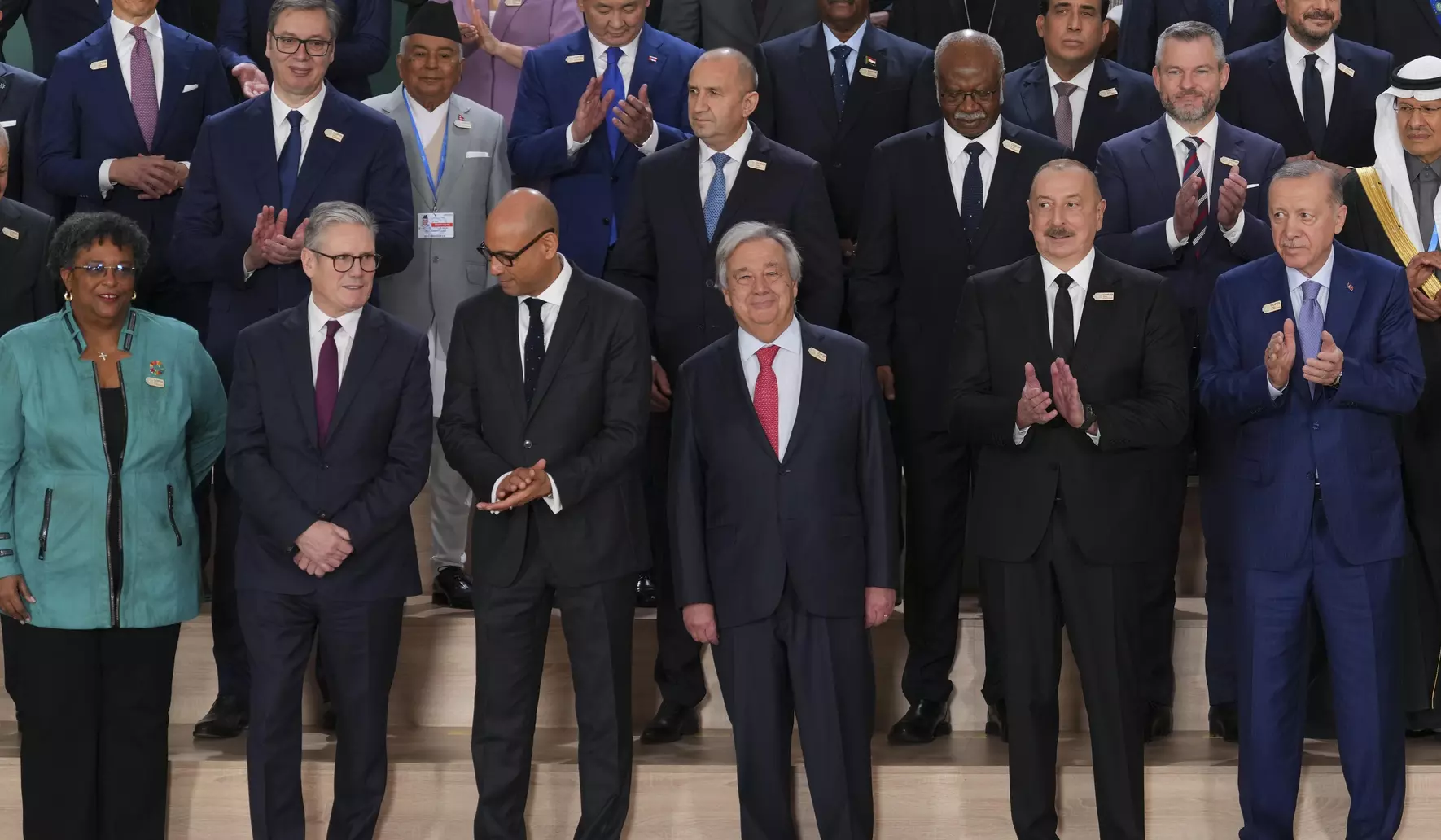
A sudden global event has triggered widespread attention across nations, prompting urgent responses from world leaders, governments, and international organizations. As uncertainty spreads, countries are closely monitoring the situation and coordinating efforts to understand its potential impact on global stability. The event has raised concerns in political, economic, and humanitarian sectors, making it one of the most discussed international developments in recent times. Leaders are emphasizing unity, transparency, and quick action as they respond to evolving information.
Global Political Response to the Sudden Event
World Leaders Issue Immediate Statements
In the early hours after the sudden global event, several world leaders released official statements expressing concern and calling for calm. Governments emphasized the importance of verified information and discouraged panic among citizens. Many leaders highlighted the need for international cooperation to assess the situation properly. These statements aimed to reassure the public while acknowledging that the situation is still developing and requires careful monitoring.
Emergency Government Meetings Convened
Following initial reports, many countries quickly organized emergency meetings involving top officials and national security advisors. These meetings focused on understanding the scope of the event and preparing possible response strategies. Governments also began coordinating with intelligence agencies and scientific experts to gather accurate data. The urgency of these discussions reflects the seriousness with which the global community is treating the situation.
Calls for Global Unity and Cooperation
A key theme among political responses has been the call for global unity. World leaders stressed that in times of uncertainty, international cooperation is essential. Diplomatic channels have been activated to ensure smooth communication between countries. This approach aims to reduce misunderstandings and prevent escalation, while encouraging shared responsibility in addressing the global concern.
Economic and Security Implications Worldwide
Financial Markets Show Early Reactions
Global financial markets reacted quickly to the news, showing signs of uncertainty. Investors became cautious, leading to fluctuations in major stock indexes and commodity prices. Economic analysts are closely watching the situation to understand long-term effects. While the full impact is still unclear, markets typically respond strongly to global instability, reflecting investor concerns about future risks.
Heightened Security Measures in Multiple Regions
In response to the event, several countries have increased security at key infrastructure locations. Airports, borders, and public institutions are being closely monitored as precautionary measures. Authorities are focusing on maintaining public safety and preventing any potential disruptions. These actions are standard procedures during times of global uncertainty and are designed to ensure stability.
Global Supply Chain Concerns Rise
Experts are also warning about possible disruptions in global supply chains if the situation continues. Industries that depend on international trade may experience delays or shortages. Governments and businesses are working together to minimize impact and maintain essential services. The situation highlights how interconnected global systems are vulnerable to sudden international events.
Humanitarian and Diplomatic Efforts Intensify
International Organizations Activate Response Plans
Global organizations have begun activating emergency response frameworks to assess humanitarian needs. These groups are preparing to provide support if the situation escalates. Their focus is on ensuring safety, communication, and coordination between affected regions. Rapid response mechanisms are being reviewed to improve efficiency in case assistance is required.
Humanitarian Groups Prepare for Possible Assistance
Humanitarian agencies are closely monitoring developments and preparing resources in case aid is needed. These organizations are coordinating with governments to identify potential risk areas. Their primary goal is to ensure that support can be delivered quickly if any population is affected. Preparedness is a key priority in uncertain global situations.
Diplomatic Channels Remain Open and Active
Diplomatic communication between countries remains active as leaders seek clarity and solutions. Embassies and foreign ministries are exchanging updates to avoid misinformation. These ongoing discussions are essential for maintaining international stability. Diplomacy plays a critical role in managing global concerns and preventing unnecessary escalation.
FAQs
What is the global event causing concern?
It refers to a sudden international situation that has prompted widespread attention from governments and global institutions.
How are world leaders responding?
Leaders are issuing statements, holding emergency meetings, and coordinating international responses.
Are financial markets affected?
Yes, early reactions show volatility as investors respond to uncertainty.
What actions are being taken for public safety?
Many countries have increased security measures and activated emergency protocols.
Will international aid be provided?
Humanitarian organizations are preparing support plans if assistance becomes necessary.
Conclusion
The sudden global event has created widespread concern, leading to rapid responses from world leaders, financial institutions, and humanitarian organizations. While the situation is still developing, the focus remains on cooperation, stability, and preparedness. As nations continue to monitor updates and coordinate efforts, the importance of global unity and effective communication has become more clear than ever.