

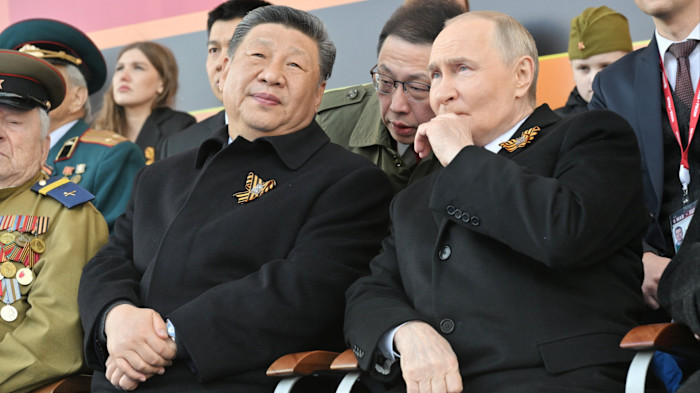
A major global transformation is underway as political, economic, and technological forces begin reshaping the balance of power between nations. Analysts across the world suggest that we are entering a new era where traditional superpowers are being challenged by emerging economies, digital innovation, and shifting alliances. This global power shift is not happening overnight, but its effects are already visible in trade, security, and international relations. Understanding these changes is essential for businesses, policymakers, and individuals who want to stay prepared for the future.
Changing Global Order and Emerging Power Centers
Rise of Emerging Economies in Global Influence
Emerging economies are playing a much larger role in shaping global decisions than ever before. Countries in Asia, Africa, and Latin America are expanding their economic output, strengthening trade partnerships, and increasing their political voice in international organizations. This shift is reducing the dominance of traditional powers and creating a more multipolar world where influence is distributed more evenly.
Decline of Traditional Power Dominance
Long-standing global leaders are facing internal economic pressures, demographic changes, and political challenges. These factors are reducing their ability to control global markets and diplomatic decisions as they once did. Analysts note that this decline does not mean collapse but rather a gradual redistribution of global influence toward a more balanced system.
Strengthening of Regional Alliances
Regional alliances are becoming more important as countries prefer cooperation within their geographic zones. Trade agreements, defense partnerships, and economic blocs are strengthening local stability while also challenging global unity. This trend is accelerating the global power shift and creating new centers of influence across different continents.
Economic Shifts Driving Global Transformation
Global Trade Rebalancing
International trade patterns are undergoing significant changes as countries diversify their partners and reduce dependency on single markets. Supply chain disruptions in recent years have pushed nations to rethink trade strategies, leading to more regionalized and resilient systems. This rebalancing is reshaping global economic power structures.
Currency Influence and Financial Systems
The global financial system is also experiencing transformation as discussions around alternative currencies and digital financial systems grow stronger. While established currencies still dominate, increasing diversification in trade settlements is slowly changing financial influence on a global scale.
Resource Competition and Economic Security
Natural resources such as energy, minerals, and food supplies are becoming central to geopolitical strategies. Countries are focusing on securing stable access to these resources, which is leading to stronger competition and strategic alliances. This competition is a key driver of the ongoing global power shift.
Technology and Geopolitical Competition
Technological Leadership Race
Technology is now one of the most important factors in global influence. Nations investing heavily in artificial intelligence, semiconductor production, and advanced computing are gaining strategic advantages. This technological race is reshaping economic power and redefining global leadership.
Digital Infrastructure Expansion
The expansion of digital infrastructure is creating new opportunities for economic growth and political influence. Countries with strong digital ecosystems are becoming global hubs for innovation, attracting talent, investment, and international partnerships.
Cybersecurity and Global Stability
As digital systems become more critical, cybersecurity has become a major concern for global stability. Cyber threats and digital conflicts are influencing international relations, making cybersecurity a core component of national security strategies.
Geopolitical Tensions and Future Uncertainty
Rising Strategic Rivalries
Global rivalries are intensifying as nations compete for economic dominance, technological leadership, and geopolitical influence. These tensions are shaping diplomatic relations and increasing uncertainty in global markets.
Shifting Defense Priorities
Countries are adjusting their defense strategies to address new global risks. Investments in advanced defense systems, cyber defense, and intelligence capabilities are increasing as security challenges become more complex.
Global Governance Challenges
International organizations are facing difficulties in maintaining consensus among member nations. Differing national interests and competing priorities are making global governance more complex, slowing down collective decision-making processes.
FAQs
1. What is a global power shift?
It refers to the gradual change in influence between major countries and regions in political, economic, and technological areas.
2. Why is the global power shift happening?
It is driven by economic changes, technological advancement, and rising influence of emerging economies.
3. Which regions are gaining more power?
Asia, parts of Africa, and Latin America are increasing their global influence significantly.
4. How does technology affect global power?
Technology determines economic strength, innovation capacity, and cybersecurity influence among nations.
5. Is this shift sudden or gradual?
It is a gradual process that is unfolding over many years, not an immediate change.
Conclusion
The global power shift represents a major transformation in how influence is distributed across the world. As emerging economies rise, technology advances rapidly, and geopolitical tensions evolve, the international system is becoming more complex and balanced. While this change brings uncertainty, it also opens new opportunities for cooperation, innovation, and economic growth. Understanding these dynamics is essential for navigating the future global landscape with awareness and preparedness.